
Inventory that isn't on the shelf in time simply doesn't sell
You can run an excellent warehouse, you can forecast demand intelligently, and you can order exactly the right quantity. But if the product isn't on the shelf, with the right visibility, at the right time, all of that investment generates no revenue. Planogram and shelf-availability management is the point where the supply chain meets the sale.
Where a product sits on the shelf is not cosmetics.
An eye-level item sells up to 4× more than the same item on a bottom shelf.
Smart category arrangement can lift category profitability by 12% — without changing the assortment.
And meeting supplier contracts is worth millions per year for any mid-size chain.
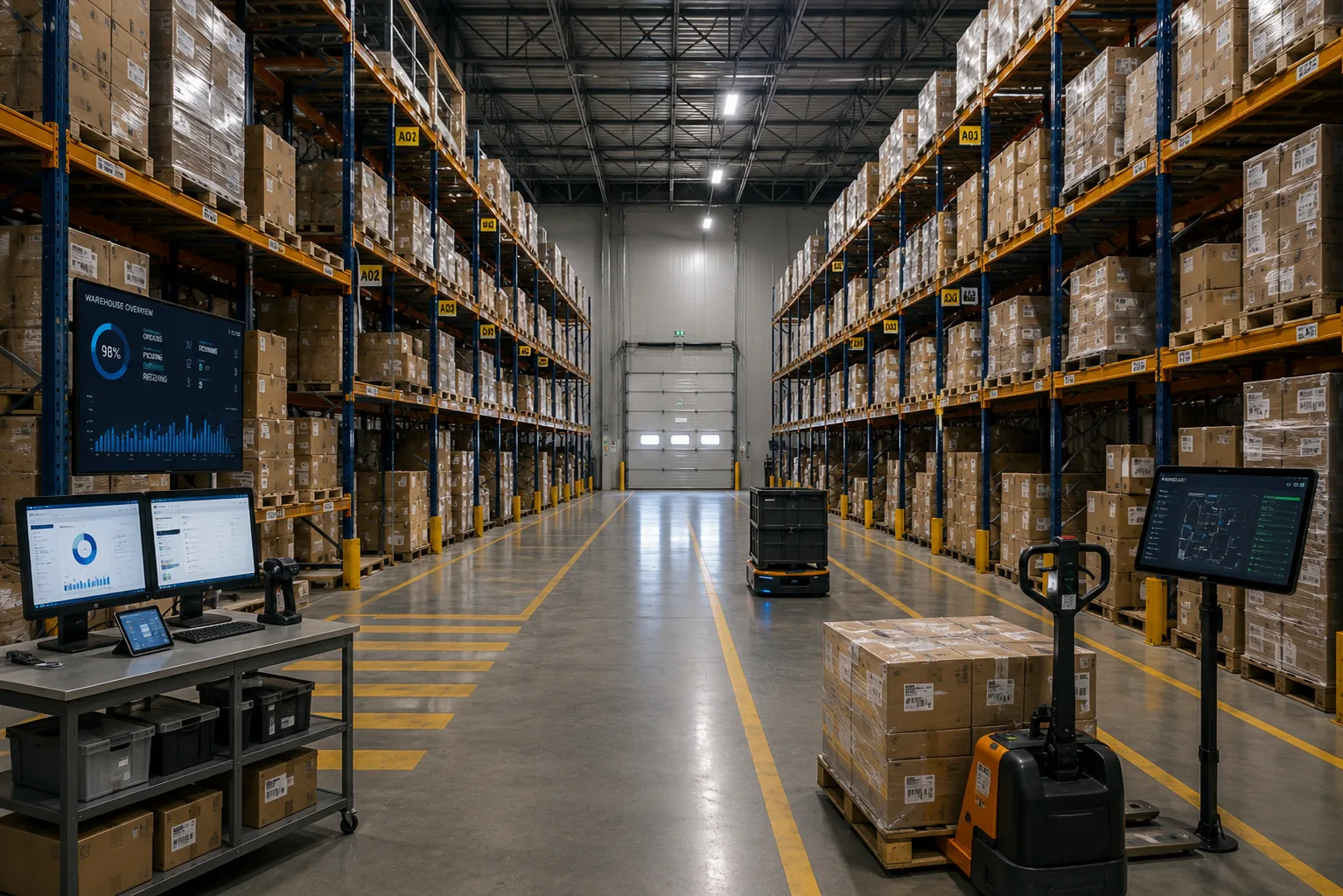 After
After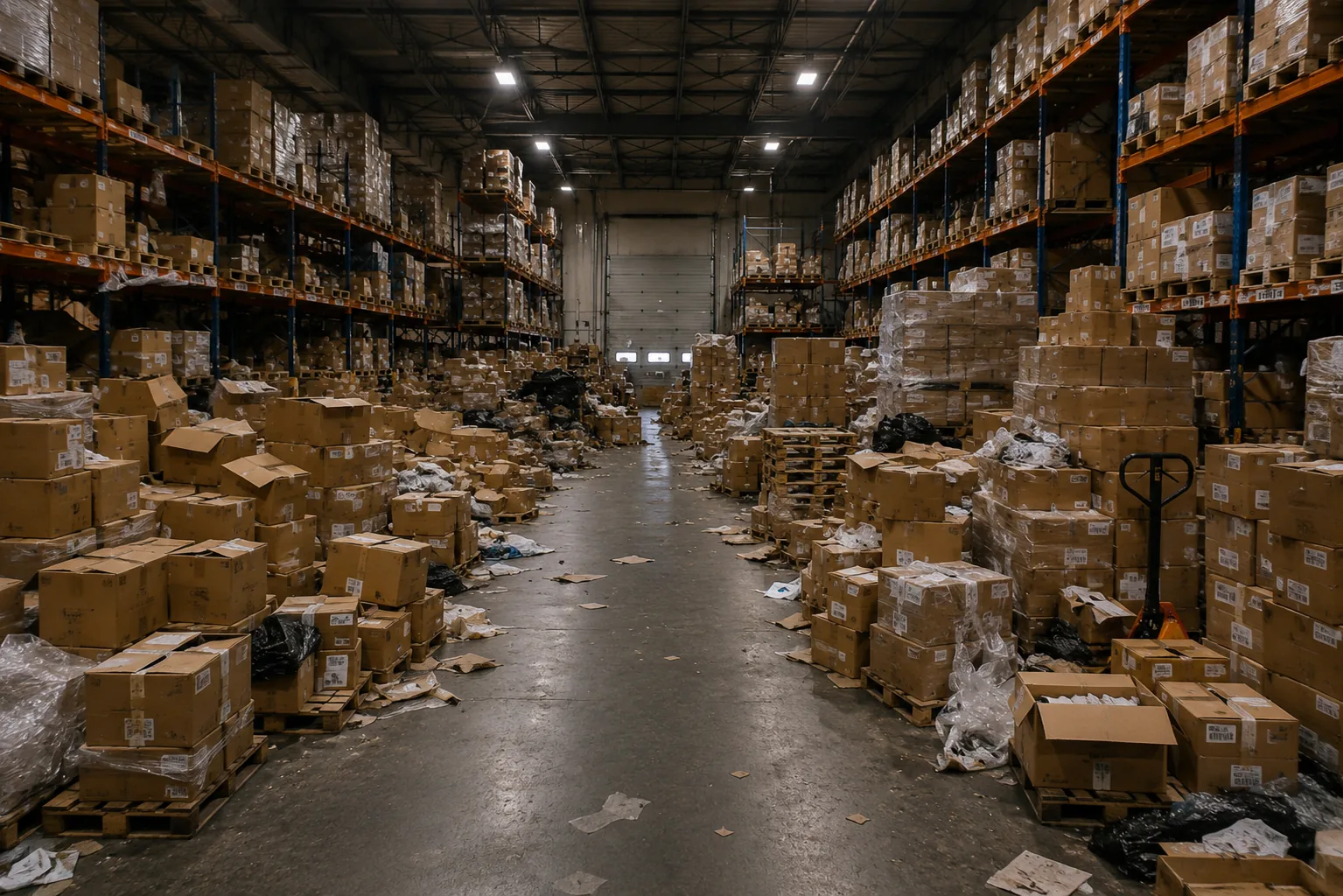 Before
How we connect planning to execution
At eWave Mobile we treat shelf availability as an integral part of the supply chain, not an isolated activity. Our approach is built on:
- Planogram planning tied to demand and sales
- Continuous monitoring of actual availability
- Spotting the gaps between plan and execution
- A direct link to inventory, warehouse and ordering
- Real-time exception management
- Applying artificial intelligence and ML algorithms
So the planogram stops being a document, and becomes a management tool that drives revenue.
End-to-end planning toolkit

Profit-driven auto-planning
Algorithm that accounts for margin, sales velocity and storage cost.

Real-time catalog sync
A new SKU added to the catalog appears in every relevant planogram automatically.

Supplier contract enforcement
The system auto-flags deviations from the space promised to each brand.

Field execution audit
An in-store photo is translated into a compliance score in under a minute.

What-if scenarios
What happens if we swap categories? Run a simulation and see the projected impact.

ERP & Retail Suite integration
Planogram output flows straight into the tools you already use.

An integral part of a profitable supply chain
Planogram and shelf-availability management sits at the end of the chain, but affects all of it
- Feeds insight back into planning and forecasting
- Sharpens inventory allocation and ordering
- Prevents ineffective inventory from piling up
- Connects logistics to sales